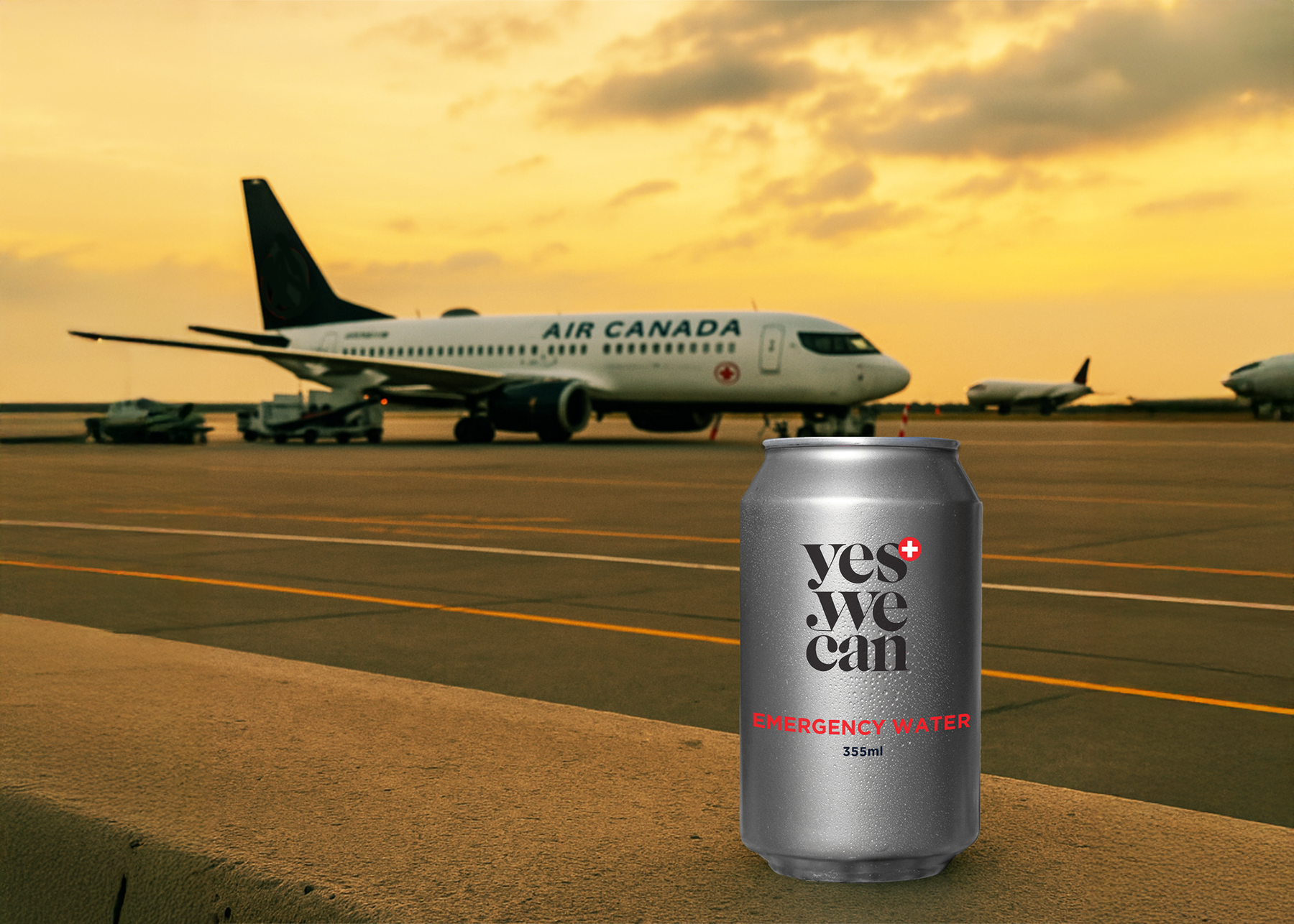
A Crisis Averted—For Now
This week, Air Canada and its flight attendants reached a tentative agreement, preventing a strike that could have grounded flights and disrupted the travel plans of thousands. For travelers, it was a sigh of relief. For businesses and airports, it was a wake-up call.
Because even though this strike was avoided, the reality is clear: strikes, delays, and disruptions are inevitable in complex systems like aviation.
Why Organizations Cannot Rely on Luck
Every airport and airline faces risks beyond labor disputes:
-
Severe weather events (snowstorms, hurricanes, wildfires)
-
Supply chain disruptions
-
Unexpected system failures
-
Public health emergencies
When disruptions happen, passengers, staff, and crews are the first to feel the strain. Food and water supplies often run out fast. That is where preparedness planning separates resilient organizations from those scrambling to react.
Business Continuity and CSR in Aviation
Forward-thinking companies in aviation are treating business continuity and corporate social responsibility (CSR) as inseparable. Protecting staff and passengers during disruptions is no longer optional—it is expected.
Yes We Can Emergency Water is still, demineralized water in aluminum cans for emergency preparedness. Store it cool and dry, do not freeze it, and inspect cans regularly for damage. No 100-year or indefinite lifespan is established for the current production system by the evidence reviewed.
-
Airports stocking traveler lounges and staff stations
-
Airlines preparing for tarmac delays and emergency reserves
-
Government agencies responsible for crisis management
-
Corporations building resilience into their CSR and continuity plans
Why Yes We Can Emergency Water?
Yes We Can Emergency Water is still, demineralized water in aluminum cans for emergency preparedness. Store it cool and dry, do not freeze it, and inspect cans regularly for damage. No 100-year or indefinite lifespan is established for the current production system by the evidence reviewed.
When flights are delayed or stranded, you cannot fly in water—organizations must have it stockpiled on the ground.
A Call to Action for Airports and Airlines
The Air Canada tentative deal shows us one thing: disruptions will keep happening. But businesses can reduce their impact.
By stockpiling Yes We Can Emergency Water, airports and airlines demonstrate responsibility to staff, passengers, and the communities they serve.
Because in times of disruption, water is not just a necessity—it is a lifeline.